
Haití · Elecciones Presidenciales
Detección de candidatos, crisis de seguridad e impacto electoral
Actualizado: 7 de octubre de 2026
11
Candidatos Detectados
95/100
Índice Inestabilidad
90%
Control Pandillas
10%
Viabilidad Electoral
90%
Correlación Crimen-Política
Resumen Ejecutivo
Haiti is at a critical turning point. Despite efforts to organize elections for February 2027, the reality on the ground—dominated by gangs controlling 90% of the capital—makes the process extremely fragile. Intelligence suggests that without a drastic improvement in security, any election risks being illegitimate or ineffective. The political landscape is fragmented, with figures like Guy Philippe capitalizing on discontent, while traditional institutions struggle to survive. Electoral success depends less on logistics and more on the state's capacity to regain territorial control.
Contexto Electoral
Haiti is experiencing an unprecedented multidimensional crisis, marked by a power vacuum since the assassination of Jovenel Moïse in 2021 and territorial control by gangs. On October 7, 2026, the Provisional Electoral Council (CEP) indefinitely postponed the elections scheduled for December 2026 and February 2027, citing gang violence, territorial blockades, and administrative obstacles that prevent the deployment of polling stations and the distribution of electoral material. The country has not held elections since 2016 and has not had an elected president since Moïse's assassination in 2021.
Gobierno de transición: The country is managed by a transitional government that succeeded the Transitional Presidential Council (CPT), with the goal of restoring constitutional order through general elections.
Desafíos Clave
- ▸Indefinite postponement of elections (Oct 7, 2026) due to gang violence and territorial blockades
- ▸Gang territorial control in 90% of Port-au-Prince prevents deployment of polling stations
- ▸Road closures due to gang threats prevent the distribution of electoral material to several regions
- ▸Municipalities under gang control without electoral registration centers
- ▸Insufficient funding and lack of public trust in institutions
Estrategia de Transición para Haití
Ante la suspensión indefinida de las elecciones, Electa propone un marco estratégico de cuatro fases para navegar la crisis de gobernanza, restaurar la viabilidad electoral y construir las condiciones mínimas para una transición democrática creíble.
Seguridad como Prerrequisito
Ninguna elección es viable sin un mínimo de control territorial. La seguridad no es un obstáculo para la democracia, es su condición de posibilidad.
Inclusión Institucional
La transición debe ampliar su base de legitimidad incorporando sectores excluidos: sociedad civil, diáspora, sector privado, mujeres y jóvenes.
Gradualidad Electoral
El modelo 'todo o nada' ha fracasado. Elecciones escalonadas por territorios liberados permiten avances reales sin esperar condiciones ideales.
Narrativa Unificada
El abstencionismo y la deslegitimación son los verdaderos enemigos. Una narrativa compartida de 'Voto = Paz' es estratégicamente indispensable.
Hoja de Ruta de Transición por Fases
Estabilización Security-First
Recuperar control territorial mínimo para permitir operaciones cívicas
Despliegue prioritario de la misión de seguridad internacional (MSS/Kenia) en zonas clave de Puerto Príncipe para reabrir corredores logísticos
Coordinación con fuerzas haitianas para establecer perímetros de seguridad alrededor de infraestructura electoral crítica
Acuerdos locales de tregua con líderes comunitarios en municipios bajo control de pandillas para garantizar acceso al registro electoral
Despliegue de centros de registro móvil en zonas desplazadas (1.5M IDPs) para evitar exclusión democrática
Gobernanza Transicional Credible
Restaurar confianza institucional y legitimidad del proceso
Ampliación del Consejo Presidencial de Transición con inclusión de sociedad civil, sector privado y diáspora para ampliar legitimidad
Auditoría internacional transparente del padrón electoral y logística del CEP para reconstruir confianza pública
Compromiso público vinculante de todos los actores políticos de respetar el cronograma revisado y no postergar nuevamente
Mecanismo de monitoreo internacional independiente (OEA, ONU, CARICOM) con mandato de verificación y sanción
Restauración Electoral Gradual
Celebrar elecciones creíbles en condiciones de seguridad mínima
Elecciones escalonadas por territorios liberados: municipios seguros primero, expansión progresiva según recuperación territorial
Voto en el extranjero habilitado para la diáspora haitiana (Estados Unidos, República Dominicana, Canadá) para ampliar participación
Observación electoral internacional masiva con despliegue en cada centro de votación liberado
Plan de contingencia para re-votación en zonas donde el proceso sea interrumpido por violencia
Narrativa y Comunicación Estratégica
Construir consenso social en torno a la transición y desincentivar el abstencionismo
Campaña nacional de 'Voto = Paz' articulando la elección como salida a la crisis, no como riesgo adicional
Mensajería coordinada entre candidatos, sociedad civil y medios para reducir polarización y violencia retórica
Contrarréplica sistemática a narrativas de boicot y deslegitimación del proceso por actores armados y políticos extremistas
Engagement de la diáspora como embajadores del proceso electoral y fuente de presión internacional para su cumplimiento
Riesgos Estratégicos Críticos
- ⚠Postergación indefinida sin cronograma vinculante genera apatía democrática y abre espacio a soluciones no electorales
- ⚠Facciones del CPT pueden bloquear inclusión para preservar cuotas de poder, fracturando la transición
- ⚠Pandillas con vínculos políticos pueden sabotear selectivamente el proceso en zonas estratégicas
- ⚠Fatiga de donantes internacionales si no hay avances medibles en seguridad en 6 meses
Condiciones de Éxito
- ✓Compromiso vinculante de todos los actores con un cronograma revisado y verificable
- ✓Liberación territorial progresiva medible (mínimo 40% de Puerto Príncipe antes de primera fase electoral)
- ✓Inclusión efectiva de diáspora y sociedad civil en el órgano de transición
- ✓Observación internacional desplegada con mandato de sanción ante incumplimientos
- ✓Narrativa pública unificada de 'Voto = Paz' adoptada por todos los candidatos
Share of Voice Digital
Visibilidad digital de candidatos presidenciales

Guy
DECLARADORNSH
Claude
DECLARADOEDE
Moïse
DECLARADOPD
Narcisse
PROBABLEFL
Benoit
PROBABLEKID
Boulos
POTENCIALMTVA
Latortue
RUMORADOAAA
Beauzile
DECLARADOFUSION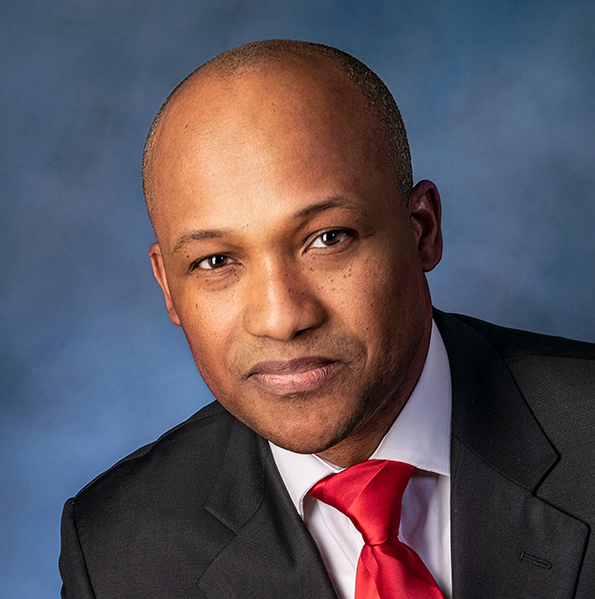
Jude Elie
DECLARADOLPP
Voltaire
POTENCIALFL
Rebu
POTENCIALGREHProyección de Voto
Proyección de voto si la elección se celebrara hoy
Guy
DECLARADORNSHClaude
DECLARADOEDEMoïse
DECLARADOPDNarcisse
PROBABLEFLBenoit
PROBABLEKIDBoulos
POTENCIALMTVALatortue
RUMORADOAAABeauzile
DECLARADOFUSIONJude Elie
DECLARADOLPPVoltaire
POTENCIALFLRebu
POTENCIALGREHSentimiento Neto
Sentimiento digital positivo vs negativo (-100 a +100)
Jude Elie
DECLARADOLPPBenoit
PROBABLEKIDGuy
DECLARADORNSHBeauzile
DECLARADOFUSIONVoltaire
POTENCIALFLNarcisse
PROBABLEFLMoïse
DECLARADOPDRebu
POTENCIALGREHClaude
DECLARADOEDEBoulos
POTENCIALMTVALatortue
RUMORADOAAAMomentum Digital
Fuerza y dirección del momentum electoral (0-100)
Guy
DECLARADORNSHClaude
DECLARADOEDEMoïse
DECLARADOPDNarcisse
PROBABLEFLJude Elie
DECLARADOLPPBenoit
PROBABLEKIDLatortue
RUMORADOAAABoulos
POTENCIALMTVABeauzile
DECLARADOFUSIONVoltaire
POTENCIALFLRebu
POTENCIALGREHReconocimiento de Nombre
Nivel de reconocimiento público (0-100)
Guy
DECLARADORNSHClaude
DECLARADOEDEMoïse
DECLARADOPDBoulos
POTENCIALMTVANarcisse
PROBABLEFLLatortue
RUMORADOAAABenoit
PROBABLEKIDBeauzile
DECLARADOFUSIONVoltaire
POTENCIALFLRebu
POTENCIALGREHJude Elie
DECLARADOLPPApoyo Territorial
Apoyo local estimado en territorio haitiano (0-100)
Guy
DECLARADORNSHMoïse
DECLARADOPDLatortue
RUMORADOAAAClaude
DECLARADOEDENarcisse
PROBABLEFLBenoit
PROBABLEKIDJude Elie
DECLARADOLPPBoulos
POTENCIALMTVABeauzile
DECLARADOFUSIONVoltaire
POTENCIALFLRebu
POTENCIALGREHCandidatos Presidenciales Detectados
Guy Philippe
Political leader and former senator
Share of Voice
28.5%
Proyección
22.0%
Sentimiento Neto
+10
Momentum
85
Reconocimiento
95
Techo de Voto
35.0%
Former rebel leader and central figure of the populist opposition, with strong nationalist rhetoric.
F: Loyal grassroots base and anti-establishment discourse
R: Controversial legal record and rejection by the international community
Claude Joseph
Former Prime Minister
Share of Voice
15.2%
Proyección
12.0%
Sentimiento Neto
-15
Momentum
60
Reconocimiento
85
Techo de Voto
20.0%
Former Foreign Minister and interim Prime Minister, a key figure in post-Moïse politics.
F: Diplomatic and administrative experience
R: Perception of being part of the failed establishment
Jean-Charles Moïse
Opposition leader
Share of Voice
12.0%
Proyección
10.0%
Sentimiento Neto
-5
Momentum
55
Reconocimiento
80
Techo de Voto
18.0%
Former senator and radical left-wing leader with a strong presence in the streets.
F: Mobilization of popular bases
R: Extreme polarization of his discourse
Steven Benoit
Former senator
Share of Voice
8.0%
Proyección
6.0%
Sentimiento Neto
+20
Momentum
40
Reconocimiento
60
Techo de Voto
12.0%
Veteran politician with a reputation as a moderate and legislative experience.
F: Image of integrity and moderation
R: Lack of a massive mobilization base
Reginald Boulos
Businessman
Share of Voice
7.5%
Proyección
4.0%
Sentimiento Neto
-40
Momentum
30
Reconocimiento
75
Techo de Voto
8.0%
Influential businessman in the pharmaceutical and political sectors.
F: Financial resources and business network
R: Perception of being an out-of-touch elite
Maryse Narcisse
Physician and politician
Share of Voice
6.0%
Proyección
8.0%
Sentimiento Neto
0
Momentum
45
Reconocimiento
70
Techo de Voto
15.0%
Historical figure of Jean-Bertrand Aristide's party.
F: Historical loyalty of the Lavalas base
R: Erosion of political brand
Youri Latortue
Former senator
Share of Voice
5.0%
Proyección
3.0%
Sentimiento Neto
-40
Momentum
35
Reconocimiento
65
Techo de Voto
7.0%
Former police officer and politician with strong influence in the Artibonite department.
F: Territorial control in Artibonite
R: Accusations of corruption
Edmonde Supplice Beauzile
Party leader
Share of Voice
4.0%
Proyección
3.0%
Sentimiento Neto
+10
Momentum
30
Reconocimiento
50
Techo de Voto
6.0%
Experienced politician and leader of a historical social-democratic party.
F: Ideological consistency
R: Low media visibility
Leslie Voltaire
Architect and politician
Share of Voice
3.5%
Proyección
2.0%
Sentimiento Neto
+5
Momentum
25
Reconocimiento
40
Techo de Voto
5.0%
Former minister and technical figure with experience in urban planning.
F: Technical and moderate profile
R: Lack of political charisma
Himmler Rebu
Former colonel and politician
Share of Voice
3.0%
Proyección
1.0%
Sentimiento Neto
-10
Momentum
20
Reconocimiento
35
Techo de Voto
4.0%
Former military officer with a discourse focused on national security.
F: Focus on security
R: Controversial military past
Jude Elie
Civil engineer, Salesian alumnus, founder of the Liberation People's Party (LPP)
Share of Voice
3.5%
Proyección
2.5%
Sentimiento Neto
+30
Momentum
42
Reconocimiento
25
Techo de Voto
8.0%
Born in Les Cayes (1970), civil engineer from G.O.C University and Salesian alumnus. Founded the Liberation People's Party (LPP), officially launched on August 8, 2026. Presidential candidate for the December 13, 2026, elections.
F: Technical and international profile, message of renewal and national unity
R: Low name recognition compared to traditional political figures
Crisis de Seguridad e Inestabilidad
Haiti faces an extreme security crisis where gangs, organized under the 'Viv Ansamn' coalition, control 90% of the capital. Violence is systemic, with a devastating impact on the civilian population and a direct correlation between the political power vacuum and criminal expansion.
Vínculos pandillas-política: Gangs have evolved from being tools of political elites to autonomous political actors that control critical infrastructure and supply routes.
Métricas de Crimen e Inestabilidad
Indicadores de seguridad y correlación crimen-política (0-100)
Índice Inestabilidad
Control Pandillas
Correlación Crimen-Política
Capacidad Seguridad
Presencia Internacional
85.0
Homicidios/100k
+15% interanual
45.0
Secuestros/100k
1,500,000
Desplazados
90%
Control Pandillas
Factores Clave de Crimen e Inestabilidad
- ▸Collapse of state institutions
- ▸Illicit financing and arms trafficking
- ▸Extreme socioeconomic inequality
- ▸Weakness of the national police force
Impacto de una Nueva Elección y Gobierno
A successful election is the only path to legitimize power, but its viability is extremely low due to insecurity. If achieved, the impact would be a gradual improvement in governance, although security would remain a long-term challenge.
Proyección de Impacto por Dimensión
Proyección de mejora si la elección tiene éxito y un nuevo gobierno asume el poder (0-100)
Seguridad
Economía
Gobernanza
Relaciones Intl.
Humanitario
Desplazados
Viabilidad Electoral
Escenario Optimista
A ceasefire is achieved, elections are held with high turnout, and the new government initiates deep security reform with international support.
Escenario Más Probable
Elections are postponed again or held with minimal turnout, resulting in a weak government with little real control over the territory.
Escenario Pesimista
Elections fail, the transitional government collapses, and the country falls into a total civil war under gang control.
Riesgos del Proceso Electoral
- ⚠Gang sabotage at polling stations
- ⚠Low voter turnout due to fear
- ⚠Massive electoral fraud
- ⚠Post-election violence
Oportunidades si la Elección Tiene Éxito
- ✓Restoration of democratic legitimacy
- ✓Possibility of a new social pact
- ✓Reactivation of international cooperation
- ✓Opportunity for institutional reforms