
Haiti · Presidential Elections
Candidate detection, security crisis and electoral impact
Updated: October 7, 2026
11
Candidates Detected
95/100
Instability Index
90%
Gang Control
10%
Election Viability
90%
Crime-Politics Correlation
Executive Summary
Haiti is at a critical turning point. Despite efforts to organize elections for February 2027, the reality on the ground—dominated by gangs controlling 90% of the capital—makes the process extremely fragile. Intelligence suggests that without a drastic improvement in security, any election risks being illegitimate or ineffective. The political landscape is fragmented, with figures like Guy Philippe capitalizing on discontent, while traditional institutions struggle to survive. Electoral success depends less on logistics and more on the state's capacity to regain territorial control.
Electoral Context
Haiti is experiencing an unprecedented multidimensional crisis, marked by a power vacuum since the assassination of Jovenel Moïse in 2021 and territorial control by gangs. On October 7, 2026, the Provisional Electoral Council (CEP) indefinitely postponed the elections scheduled for December 2026 and February 2027, citing gang violence, territorial blockades, and administrative obstacles that prevent the deployment of polling stations and the distribution of electoral material. The country has not held elections since 2016 and has not had an elected president since Moïse's assassination in 2021.
Transitional government: The country is managed by a transitional government that succeeded the Transitional Presidential Council (CPT), with the goal of restoring constitutional order through general elections.
Key Challenges
- ▸Indefinite postponement of elections (Oct 7, 2026) due to gang violence and territorial blockades
- ▸Gang territorial control in 90% of Port-au-Prince prevents deployment of polling stations
- ▸Road closures due to gang threats prevent the distribution of electoral material to several regions
- ▸Municipalities under gang control without electoral registration centers
- ▸Insufficient funding and lack of public trust in institutions
Transitional Strategy for Haiti
With elections suspended indefinitely, Electa proposes a four-phase strategic framework to navigate the governance crisis, restore electoral viability, and build the minimum conditions for a credible democratic transition.
Security as Prerequisite
No election is viable without a minimum of territorial control. Security is not an obstacle to democracy, it is its condition of possibility.
Institutional Inclusion
The transition must broaden its legitimacy base by incorporating excluded sectors: civil society, diaspora, private sector, women, and youth.
Electoral Gradualism
The 'all or nothing' model has failed. Staggered elections across liberated territories allow real progress without waiting for ideal conditions.
Unified Narrative
Abstention and delegitimization are the real enemies. A shared 'Vote = Peace' narrative is strategically indispensable.
Phase-by-Phase Transition Roadmap
Security-First Stabilization
Recover minimum territorial control to enable civic operations
Priority deployment of the international security mission (MSS/Kenya) in key areas of Port-au-Prince to reopen logistical corridors
Coordination with Haitian forces to establish security perimeters around critical electoral infrastructure
Local truce agreements with community leaders in gang-controlled municipalities to guarantee voter registration access
Deploy mobile registration centers in displaced areas (1.5M IDPs) to prevent democratic exclusion
Credible Transitional Governance
Restore institutional confidence and process legitimacy
Expand the Transitional Presidential Council with inclusion of civil society, private sector, and diaspora to broaden legitimacy
Transparent international audit of the voter roll and CEP logistics to rebuild public trust
Binding public commitment by all political actors to respect the revised timeline and not postpone again
Independent international monitoring mechanism (OAS, UN, CARICOM) with verification and sanction mandate
Gradual Electoral Restoration
Hold credible elections under minimum security conditions
Staggered elections across liberated territories: secure municipalities first, progressive expansion as territorial recovery advances
Enable overseas voting for the Haitian diaspora (United States, Dominican Republic, Canada) to broaden participation
Massive international electoral observation deployed at every liberated polling station
Contingency plan for re-voting in areas where the process is interrupted by violence
Narrative & Strategic Communication
Build social consensus around the transition and disincentivize abstention
National 'Vote = Peace' campaign framing the election as the way out of the crisis, not an additional risk
Coordinated messaging among candidates, civil society, and media to reduce polarization and rhetorical violence
Systematic counter-narrative to boycott and delegitimization narratives by armed actors and extremist politicians
Diaspora engagement as ambassadors of the electoral process and a source of international pressure for compliance
Critical Strategic Risks
- ⚠Indefinite postponement without a binding timeline breeds democratic apathy and opens space for non-electoral solutions
- ⚠CPT factions may block inclusion to preserve power quotas, fracturing the transition
- ⚠Gangs with political ties may selectively sabotage the process in strategic areas
- ⚠International donor fatigue if no measurable security progress within 6 months
Conditions for Success
- ✓Binding commitment by all actors to a revised and verifiable timeline
- ✓Measurable progressive territorial liberation (minimum 40% of Port-au-Prince before the first electoral phase)
- ✓Effective inclusion of diaspora and civil society in the transitional body
- ✓International observation deployed with a sanction mandate for non-compliance
- ✓Unified public 'Vote = Peace' narrative adopted by all candidates
Digital Share of Voice
Digital visibility of presidential candidates

Guy
DECLAREDRNSH
Claude
DECLAREDEDE
Moïse
DECLAREDPD
Narcisse
LIKELYFL
Benoit
LIKELYKID
Boulos
POTENTIALMTVA
Latortue
RUMOREDAAA
Beauzile
DECLAREDFUSION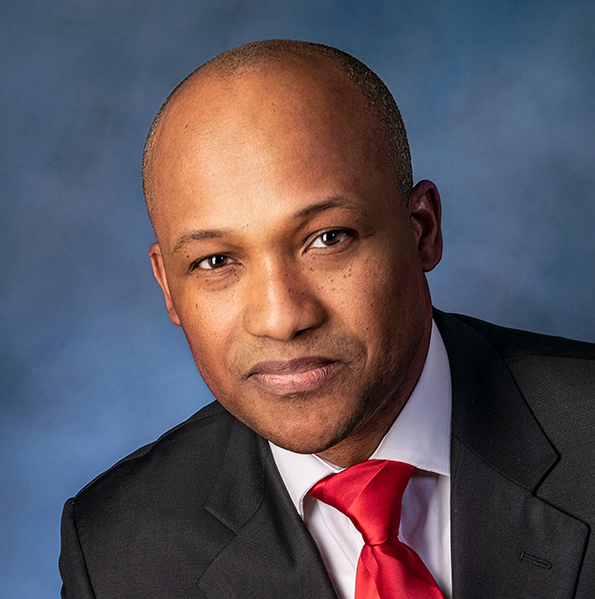
Jude Elie
DECLAREDLPP
Voltaire
POTENTIALFL
Rebu
POTENTIALGREHVote Projection
Projected vote if the election were held today
Guy
DECLAREDRNSHClaude
DECLAREDEDEMoïse
DECLAREDPDNarcisse
LIKELYFLBenoit
LIKELYKIDBoulos
POTENTIALMTVALatortue
RUMOREDAAABeauzile
DECLAREDFUSIONJude Elie
DECLAREDLPPVoltaire
POTENTIALFLRebu
POTENTIALGREHNet Sentiment
Positive vs negative digital sentiment (-100 to +100)
Jude Elie
DECLAREDLPPBenoit
LIKELYKIDGuy
DECLAREDRNSHBeauzile
DECLAREDFUSIONVoltaire
POTENTIALFLNarcisse
LIKELYFLMoïse
DECLAREDPDRebu
POTENTIALGREHClaude
DECLAREDEDEBoulos
POTENTIALMTVALatortue
RUMOREDAAADigital Momentum
Strength and direction of electoral momentum (0-100)
Guy
DECLAREDRNSHClaude
DECLAREDEDEMoïse
DECLAREDPDNarcisse
LIKELYFLJude Elie
DECLAREDLPPBenoit
LIKELYKIDLatortue
RUMOREDAAABoulos
POTENTIALMTVABeauzile
DECLAREDFUSIONVoltaire
POTENTIALFLRebu
POTENTIALGREHName Recognition
Public recognition level (0-100)
Guy
DECLAREDRNSHClaude
DECLAREDEDEMoïse
DECLAREDPDBoulos
POTENTIALMTVANarcisse
LIKELYFLLatortue
RUMOREDAAABenoit
LIKELYKIDBeauzile
DECLAREDFUSIONVoltaire
POTENTIALFLRebu
POTENTIALGREHJude Elie
DECLAREDLPPTerritorial Support
Estimated local support across Haitian territory (0-100)
Guy
DECLAREDRNSHMoïse
DECLAREDPDLatortue
RUMOREDAAAClaude
DECLAREDEDENarcisse
LIKELYFLBenoit
LIKELYKIDJude Elie
DECLAREDLPPBoulos
POTENTIALMTVABeauzile
DECLAREDFUSIONVoltaire
POTENTIALFLRebu
POTENTIALGREHDetected Presidential Candidates
Guy Philippe
Political leader and former senator
Share of Voice
28.5%
Projection
22.0%
Net Sentiment
+10
Momentum
85
Recognition
95
Vote Ceiling
35.0%
Former rebel leader and central figure of the populist opposition, with strong nationalist rhetoric.
S: Loyal grassroots base and anti-establishment discourse
R: Controversial legal record and rejection by the international community
Claude Joseph
Former Prime Minister
Share of Voice
15.2%
Projection
12.0%
Net Sentiment
-15
Momentum
60
Recognition
85
Vote Ceiling
20.0%
Former Foreign Minister and interim Prime Minister, a key figure in post-Moïse politics.
S: Diplomatic and administrative experience
R: Perception of being part of the failed establishment
Jean-Charles Moïse
Opposition leader
Share of Voice
12.0%
Projection
10.0%
Net Sentiment
-5
Momentum
55
Recognition
80
Vote Ceiling
18.0%
Former senator and radical left-wing leader with a strong presence in the streets.
S: Mobilization of popular bases
R: Extreme polarization of his discourse
Steven Benoit
Former senator
Share of Voice
8.0%
Projection
6.0%
Net Sentiment
+20
Momentum
40
Recognition
60
Vote Ceiling
12.0%
Veteran politician with a reputation as a moderate and legislative experience.
S: Image of integrity and moderation
R: Lack of a massive mobilization base
Reginald Boulos
Businessman
Share of Voice
7.5%
Projection
4.0%
Net Sentiment
-40
Momentum
30
Recognition
75
Vote Ceiling
8.0%
Influential businessman in the pharmaceutical and political sectors.
S: Financial resources and business network
R: Perception of being an out-of-touch elite
Maryse Narcisse
Physician and politician
Share of Voice
6.0%
Projection
8.0%
Net Sentiment
0
Momentum
45
Recognition
70
Vote Ceiling
15.0%
Historical figure of Jean-Bertrand Aristide's party.
S: Historical loyalty of the Lavalas base
R: Erosion of political brand
Youri Latortue
Former senator
Share of Voice
5.0%
Projection
3.0%
Net Sentiment
-40
Momentum
35
Recognition
65
Vote Ceiling
7.0%
Former police officer and politician with strong influence in the Artibonite department.
S: Territorial control in Artibonite
R: Accusations of corruption
Edmonde Supplice Beauzile
Party leader
Share of Voice
4.0%
Projection
3.0%
Net Sentiment
+10
Momentum
30
Recognition
50
Vote Ceiling
6.0%
Experienced politician and leader of a historical social-democratic party.
S: Ideological consistency
R: Low media visibility
Leslie Voltaire
Architect and politician
Share of Voice
3.5%
Projection
2.0%
Net Sentiment
+5
Momentum
25
Recognition
40
Vote Ceiling
5.0%
Former minister and technical figure with experience in urban planning.
S: Technical and moderate profile
R: Lack of political charisma
Himmler Rebu
Former colonel and politician
Share of Voice
3.0%
Projection
1.0%
Net Sentiment
-10
Momentum
20
Recognition
35
Vote Ceiling
4.0%
Former military officer with a discourse focused on national security.
S: Focus on security
R: Controversial military past
Jude Elie
Civil engineer, Salesian alumnus, founder of the Liberation People's Party (LPP)
Share of Voice
3.5%
Projection
2.5%
Net Sentiment
+30
Momentum
42
Recognition
25
Vote Ceiling
8.0%
Born in Les Cayes (1970), civil engineer from G.O.C University and Salesian alumnus. Founded the Liberation People's Party (LPP), officially launched on August 8, 2026. Presidential candidate for the December 13, 2026, elections.
S: Technical and international profile, message of renewal and national unity
R: Low name recognition compared to traditional political figures
Security Crisis & Instability
Haiti faces an extreme security crisis where gangs, organized under the 'Viv Ansamn' coalition, control 90% of the capital. Violence is systemic, with a devastating impact on the civilian population and a direct correlation between the political power vacuum and criminal expansion.
Gang-politics links: Gangs have evolved from being tools of political elites to autonomous political actors that control critical infrastructure and supply routes.
Crime & Instability Metrics
Security indicators and crime-politics correlation (0-100)
Instability Index
Gang Control
Crime-Politics Correlation
Security Capacity
Intl. Presence
85.0
Homicides/100k
+15% YoY
45.0
Kidnappings/100k
1,500,000
Displaced
90%
Gang Control
Key Drivers of Crime & Instability
- ▸Collapse of state institutions
- ▸Illicit financing and arms trafficking
- ▸Extreme socioeconomic inequality
- ▸Weakness of the national police force
Impact of a New Election & Government
A successful election is the only path to legitimize power, but its viability is extremely low due to insecurity. If achieved, the impact would be a gradual improvement in governance, although security would remain a long-term challenge.
Impact Projection by Dimension
Projected improvement if the election succeeds and a new government takes power (0-100)
Security
Economy
Governance
Intl. Relations
Humanitarian
Displaced
Election Viability
Best-Case Scenario
A ceasefire is achieved, elections are held with high turnout, and the new government initiates deep security reform with international support.
Most Likely Scenario
Elections are postponed again or held with minimal turnout, resulting in a weak government with little real control over the territory.
Worst-Case Scenario
Elections fail, the transitional government collapses, and the country falls into a total civil war under gang control.
Electoral Process Risks
- ⚠Gang sabotage at polling stations
- ⚠Low voter turnout due to fear
- ⚠Massive electoral fraud
- ⚠Post-election violence
Opportunities if the Election Succeeds
- ✓Restoration of democratic legitimacy
- ✓Possibility of a new social pact
- ✓Reactivation of international cooperation
- ✓Opportunity for institutional reforms