

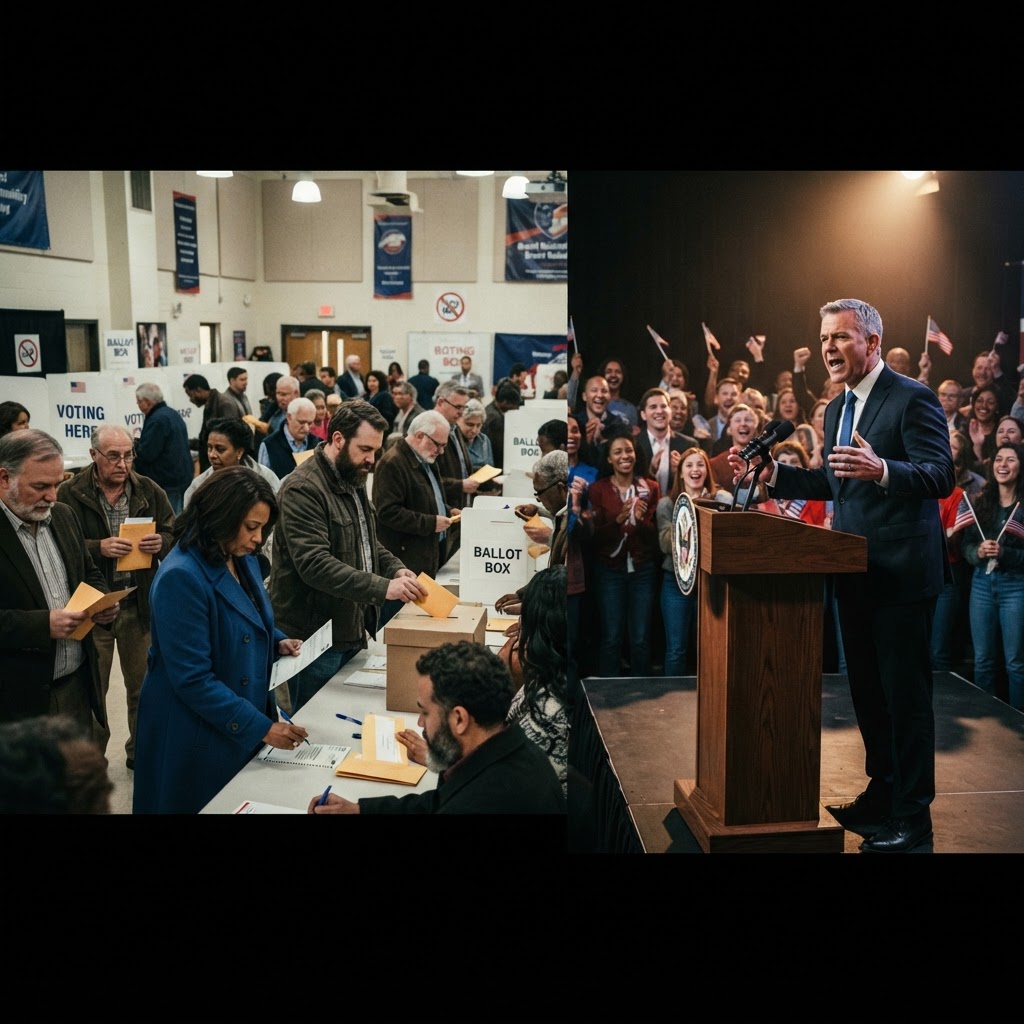

The Gavel and the Ballot: The Judicial Architecture of the 2026 Midterms
As an appeals court hands Donald Trump a strategic victory in the mail-in voting theater, the tension between legal precedent and political rhetoric reaches a fever pitch.
The machinery of American democracy is currently grinding through a period of profound structural stress. While the public focus often remains fixed on the fire and fury of the campaign trail, the real architecture of the 2026 midterms is being drafted in the quiet, wood-paneled halls of the federal judiciary. A recent appeals court decision, granting Donald Trump a temporary but significant victory in the ongoing battle over mail-in voting procedures, serves as a stark reminder: the rules of engagement are as contested as the candidates themselves. This ruling does not merely represent a tactical win for the Trump legal team; it signals a volatile shift in the legal landscape that will define the «integrity» narrative for both parties. In the Electa view, this is not just about ballots—it is about the legitimacy of the process in an era of hyper-polarized sentimiento digital. For the former president, these legal skirmishes are the fuel for a broader rhetorical engine that questions the very foundations of the 2020 and 2024 cycles, even as he builds a campaign infrastructure for 2026. Conversely, the Democratic establishment views these judicial shifts with mounting alarm, fearing a systematic rollback of the expanded voting access that defined the post-pandemic era. Experts like David Muir and Rachel Maddow have frequently highlighted this collision course. When Trump questions Chinese influence or the security of the drop-box, he is not just speaking to his base; he is setting the stage for a post-election environment where any result can be litigated in the court of public opinion. Meanwhile, the reality on the ground—often cited by election security experts on platforms like ABC News—remains one of robust, if complicated, security. The strategic imperative for 2026 is clear: campaigns must now be as proficient in constitutional law as they are in proyección electoral. The ballot box is no longer just a destination; it is a legal battlefield where the definition of «common sense» is subject to the stroke of a judge’s pen, as seen in ongoing litigation over mail-in ballots that continues to shape the mapa territorial of the upcoming escenarios electorales.
